Dual Hazard Protection — Seen & Protected
NFPA 2112 & ANSI/ISEA 107 Dual-Rated FR Hi-Vis for Your Crew
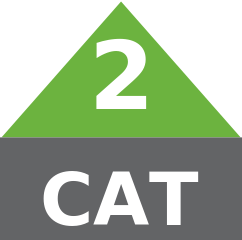
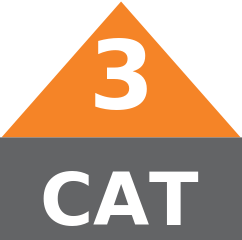
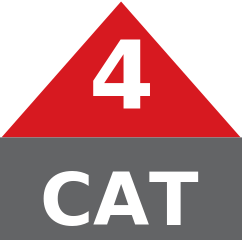
Visibility and arc-flash protection are usually two purchases; here they are one garment. This collection outfits electric utility, oil and gas extraction and refining, mining, construction, and traffic-control crews with dual-rated FR hi-vis shirts and jackets across CAT 2 through CAT 4 — the work zone sets the visibility class, the hazard assessment sets the arc rating, and flame resistance is engineered to remain effective through industrial laundering per manufacturer care instructions. Browse: FR Hi-Vis Shirts, FR Hi-Vis Jackets.
ANSI/ISEA 107 & NFPA 2112 Dual-Rated Shirts for Utility & Construction
Workers in roadside construction, electric utility transmission, and mining who face both vehicle-traffic and arc-flash or flash-fire hazards need garments certified to both ANSI/ISEA 107 and NFPA 2112. Bulwark FR Hi-Vis Shirts carry Type R Class 2 and Class 3 visibility ratings alongside CAT 2 arc ratings, so crews meet both requirements in one garment instead of layering a separate safety vest. Two-inch silver reflective striping provides 360° visibility front and back, and colorblock styles pair the hi-vis upper half with a grey lower half that conceals dirt between launderings.
High Arc-Rated FR Hi-Vis Outerwear for High-Energy Environments
Bulwark FR Hi-Vis Jackets extend dual-hazard protection to outerwear, reaching arc-rated styles (CAT 2–4). Bomber, rainwear, vest, and fleece styles provide weather protection alongside ANSI/ISEA 107 Type R Class 2 and Class 3 high visibility — covering transmission crews, mining workers, and outdoor construction trades who need high arc-flash and visibility protection at the same time. FR rainwear is additionally built to ASTM F1891 and ASTM F2733 with non-conductive hardware, and breakaway FR safety vests add visibility over an NFPA 2112 compliant shirt.
Hi-Vis Ratings Legend — ANSI/ISEA 107-2015 Types & Classes
ANSI/ISEA 107-2015 (which consolidated the earlier 107 and 207 standards) classifies hi-vis garments by Type — the work setting — and Class — the amount of hi-visibility material. Every garment in this collection is certified Type R, Class 2 or Class 3. Click any rating to see what it requires and who wears it; in FR environments these visibility ratings stack on top of the NFPA 2112 and arc-rating requirements this collection is built for.
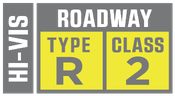 Type R · Class 2 — Roadway minimum +
For personnel exposed to vehicular traffic from public access rights-of-way or in roadway temporary traffic-control zones — roadway construction, utility and railway workers, school crossing guards, delivery drivers, toll and parking personnel, airport ground crews, forestry, and trash collection. Class 2 requires a minimum 0.5 m² of background material and 0.13 m² of retroreflective tape, helping distinguish a person from an inanimate object.
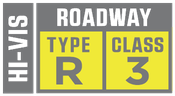 Type R · Class 3 — Maximum visibility +
An even higher standard of visibility for workers in moving, complex backgrounds — roadway construction personnel and flaggers, utility workers, and survey crews. Class 3 mandates the greatest amount of hi-visibility material: a minimum 0.785 m² background and 0.20 m² of retroreflective tape, including striping on the sleeves (and pant legs, if present).
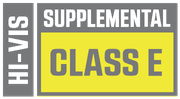 Class E — Supplemental bottoms +
Pants, bib overalls, shorts, and gaiters meeting minimum background and retroreflective requirements. Class E items cannot be worn alone to provide adequate visibility — worn with a Class 2 or Class 3 top, the overall ensemble is classified Class 3.
NOTEOther ANSI 107 types — Type O and Type P +
The standard also defines Type O (off-road) Class 1 garments for struck-by hazards away from public rights-of-way — warehousing, oil and gas extraction, refineries, mining — and Type P (public safety) garments for police, fire, and EMS, absorbed from the former ANSI 207 standard. This collection is certified Type R Class 2 and 3; where Type O environments such as extraction sites, refineries, and mines also carry flash-fire or arc-flash hazards, these Type R FR garments provide greater visibility material along with certified flame resistance.
ASTM F1891ASTM F1891 — Arc- and flame-resistant rainwear +
The standard specification for arc- and flame-resistant rainwear. Bulwark FR hi-vis rain jackets and rain bib overalls in this collection are built to ASTM F1891 with non-conductive hardware.
ASTM F2733ASTM F2733 — FR rainwear for flame hazards +
The standard specification for flame-resistant rainwear protecting against flame hazards, complementing ASTM F1891 on the same garments. Together with NFPA 2112 certification and ANSI/ISEA 107 visibility, FR rainwear in this collection carries four credentials in one garment.
New to the badges on our product cards? See the full Icon Legend on our Bulwark FR page.
What standards do Bulwark FR Hi-Vis garments meet? +
Bulwark FR Hi-Vis garments are certified to NFPA 2112 for flash-fire protection, arc-rated to support NFPA 70E arc-flash PPE requirements, and compliant with ANSI/ISEA 107 Type R Class 2 and Class 3 visibility requirements. This dual rating lets crews meet both requirements with a single garment in most conditions.
What arc rating do Bulwark FR Hi-Vis garments carry? +
Hi-vis styles in this collection run from CAT 2 through CAT 4 (minimum arc ratings of 8, 25, and 40 cal/cm²). Match the ATPV on each style's product page to the task's arc-flash risk assessment — and confirm the visibility class separately, since the two requirements come from different standards.
Can I wear a non-FR hi-vis vest over my FR garment? +
Generally no in arc-flash environments. NFPA 70E requires garments worn as outer layers over arc-rated clothing to also be arc-rated — a non-FR polyester safety vest can melt and cause burn injuries even when the FR layer beneath performs correctly. Bulwark FR Hi-Vis garments integrate visibility and flame resistance in a single compliant garment.
What is ANSI/ISEA 107 Type R Class 2 vs. Class 3? +
Both are ANSI/ISEA 107 Type R roadway ratings that set minimum amounts of background material and retroreflective tape — Class 2 is the entry requirement for roadway exposure, while Class 3 mandates the greatest coverage, including sleeve striping, for moving and complex backgrounds. Class E bottoms supplement a Class 2 or 3 top to form a Class 3 ensemble. The specific area requirements are in the Hi-Vis Ratings Legend on this page.
Are Bulwark FR Hi-Vis garments suitable for outdoor winter work? +
Yes. FR Hi-Vis Jackets include insulated bomber and parka styles with DWR weather-resistant finishes for outdoor cold-weather work. These styles carry ANSI/ISEA 107 visibility and NFPA 2112 certification with arc-rated options for transmission crews and mining workers in cold, high-hazard environments.
What is the difference between FR Hi-Vis Shirts and FR Hi-Vis Jackets? +
FR Hi-Vis Shirts are daily-wear garments for warm-weather or layering use, with arc-rated styles at CAT 2. FR Hi-Vis Jackets are outer-layer garments providing weather protection and higher arc-rated styles (CAT 2–4), including rainwear and fleece. Breakaway FR safety vests are a third option — worn over an NFPA 2112 compliant shirt to add visibility without replacing the base garment. All meet ANSI/ISEA 107 and NFPA 2112 dual standards.
Content on this page is provided for general information only and may contain errors or omissions; it is not safety or compliance advice. All certifications, arc ratings (ATPV), warranties, and product descriptions are the manufacturer’s — always verify specifications against current manufacturer documentation and product labels before final PPE decisions. Garment selection must be based on a qualified hazard assessment per NFPA 70E and NFPA 2112, and real-world protection depends on proper selection, fit, care, and use within your employer’s PPE program. Copperstone Workwear is an authorized Bulwark FR distributor. Page content © Copperstone Workwear; unauthorized reproduction is prohibited.

 Authorized Bulwark FR Distributor